

Rituals in Early Childhood Education: Transforming the Mundane into the Sacred

Apr 3 / Kimberley Crisp
Close your eyes for a moment and think back.

Do you remember setting up the Christmas tree as a child?

Your birthday celebrations?

Friday evenings, or the last day of school before the summer holidays?

You might not remember every detail. But I'd bet you remember exactly how it felt.

The warm flutter of anticipation. The smell of pine. The sound of familiar songs drifting through the house. The particular excitement that lived in those moments. One you could feel coming days before it arrived.

Those rituals didn't just mark time. They made you feel safe, known, and loved. They were, as I like to say, the spice in the dish of life.

And what is deeply true for us as adults?

It is even more profoundly true for young children.

Rituals are not simply a pleasant addition to the early childhood day. They are foundational. They are a prescription for emotional security — and the very ground from which rich, joyful play grows.
The Unsettling Weight of Uncertainty

Think back to the last time you felt truly uncertain. When you didn't know what your day held, what was expected of you, or what was coming next.

Unsettling, wasn't it?

Most of us find quiet comfort in knowing the shape of our days. Without that structure, we feel off-balance. Less able to be fully present, less able to give ourselves to what's right in front of us.

Now imagine that feeling through the eyes of a young child.

Their little minds and hearts can be constantly spinning:

"What's happening now?
What comes next?
What is expected of me?"

When children don't have a sense of what's coming, they can't settle. They can't play freely. They are too busy trying to find their feet.

Rituals do the opposite. They are the feet-finders. They plant children firmly in the known, and whisper, you are safe here.

Children don't need endless novelty. They need the deep, grounding comfort of the familiar.

What Makes a Ritual Different from a Routine?

These two words are often used interchangeably. But the difference between them is everything.

A routine is simply what happens. The sequence. The schedule.
A ritual is how we bring those moments to life.

It is the way we take an ordinary sequence of events and transform it into something sacred — something felt, not just done.

The difference lies in three things: presence, preparation, and intention.

Rituals are fully prepared in the Head, Heart, and Hands. When we bring that quality of attention to the moments we share with children, they don't simply observe what's happening, they experience it. In every cell of their body.

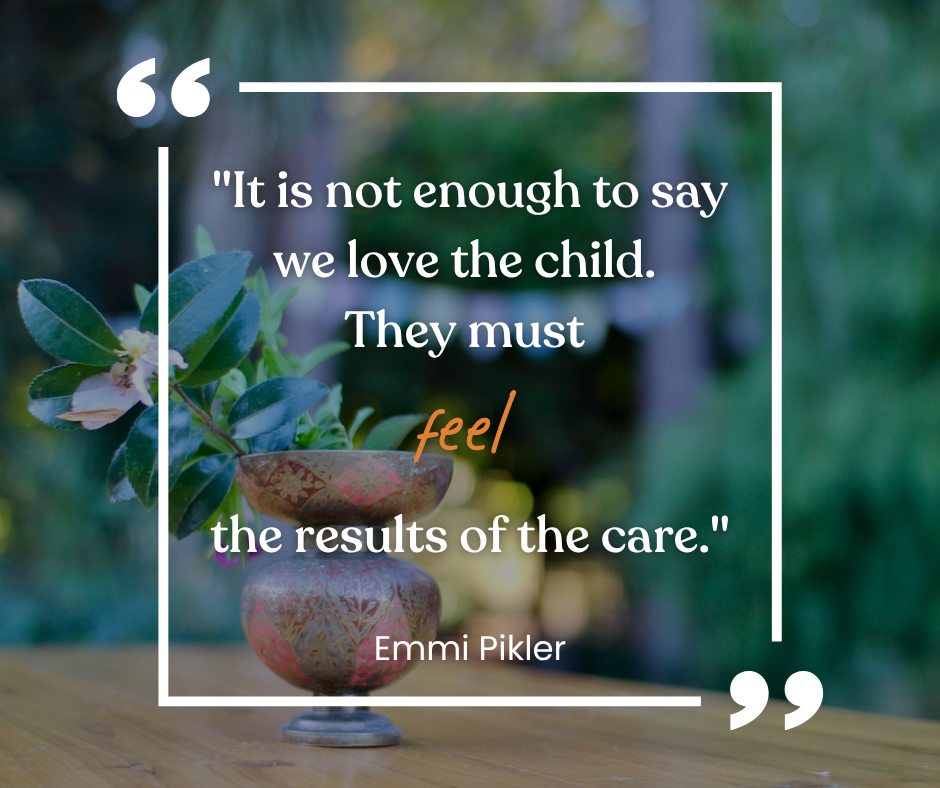
As Emmi Pikler so beautifully put it:

A ritual is how that love becomes tangible.
Rituals as Emotional Security

When rituals are woven through the days, weeks, and seasons of a child's life, something remarkable happens.

They begin to know their world.

Whether it's a special way of gathering for lunch, a gentle farewell at the end of the day, or the way a birthday is honoured. Each ritual carries a thread of consistency, connection, and care. And children feel it. You can see it in the way they settle. In the quiet recognition on their faces:

"Ah, yes. I know this. This is what we do here."

That knowing is powerful. Because "this is what we do here" also means "this is how we are here." And that translates directly into safety.

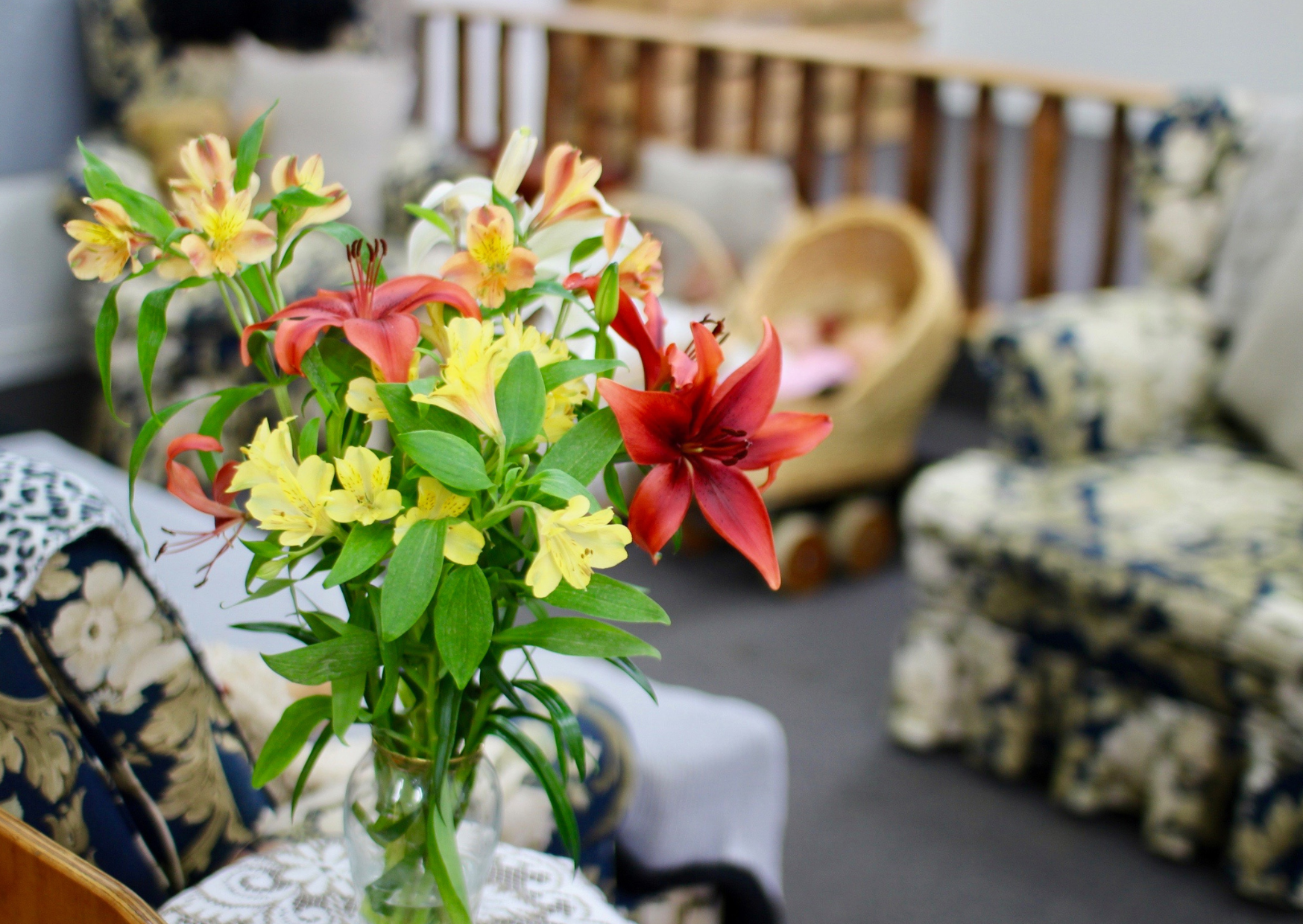
Yes, there is often physical beauty in rituals. A carefully laid table, a candle lit with intention, flowers arranged with care. But the deeper beauty lives in what the child experiences: the warmth of being known, the comfort of the familiar, the profound sense of belonging.

Security and relationship together are the most powerful fuel a child can receive. And rituals are how we fill that tank.
The Gateway to Play

Here is something I find endlessly fascinating, and endlessly true:

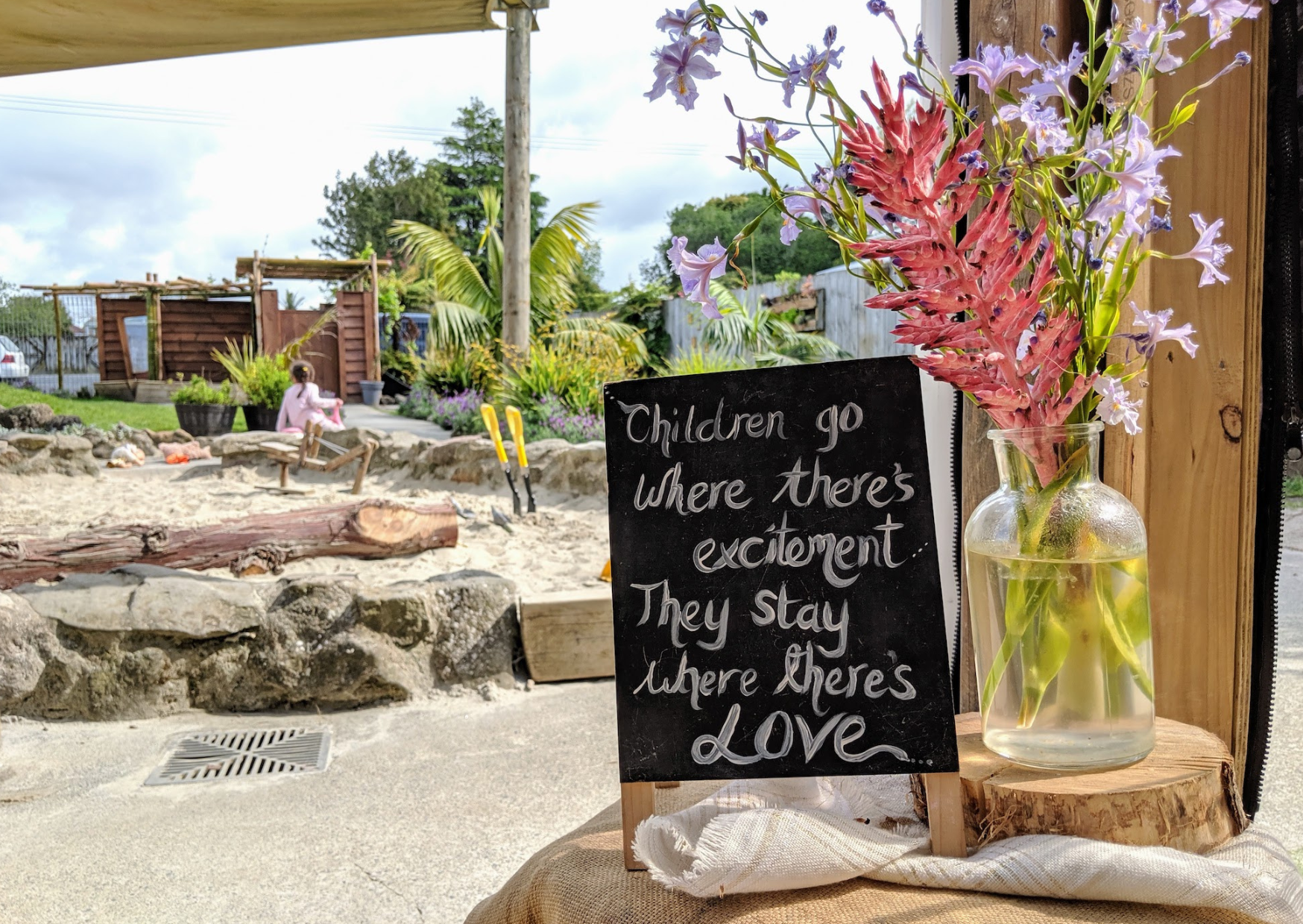
Children enter 'play heaven' when they feel emotionally safe and secure.

This is not a coincidence. It is a direct relationship.

When a child feels nurtured, settled in the known, and comfortable in their environment, they feel ready and brave enough to venture into the unknown. Rituals are the safe container from which that adventure launches.

We see this every day in children who know their rhythms and play wholeheartedly in the spaces between them. These children aren't constantly searching for their footing. They aren't unsettled or on guard. They thrive in the sameness of familiar processes, and from that secure place, they spread their wings.

Emotional satisfaction comes first. Rich, independent, imaginative play is its natural expression.

Building Rituals in Your Space

Rituals can be woven into every corner of the day — from the first morning welcome to the closing of the week, from daily mealtimes to the turning of the seasons.

What matters most is that they are consistent, well-prepared, and held with genuine presence. When they are, children absorb them so deeply it is as if the ritual is impressed on every cell of their body. They anticipate each carefully orchestrated moment and experience pure joy in that precious, familiar time.

Begin with the most important ritual of all: a beautiful way to welcome children and families.

A quiet, warm greeting. A space that smiles through natural beauty. It sets the tone for the entire day. More than that, it sets the tone for the relationship.

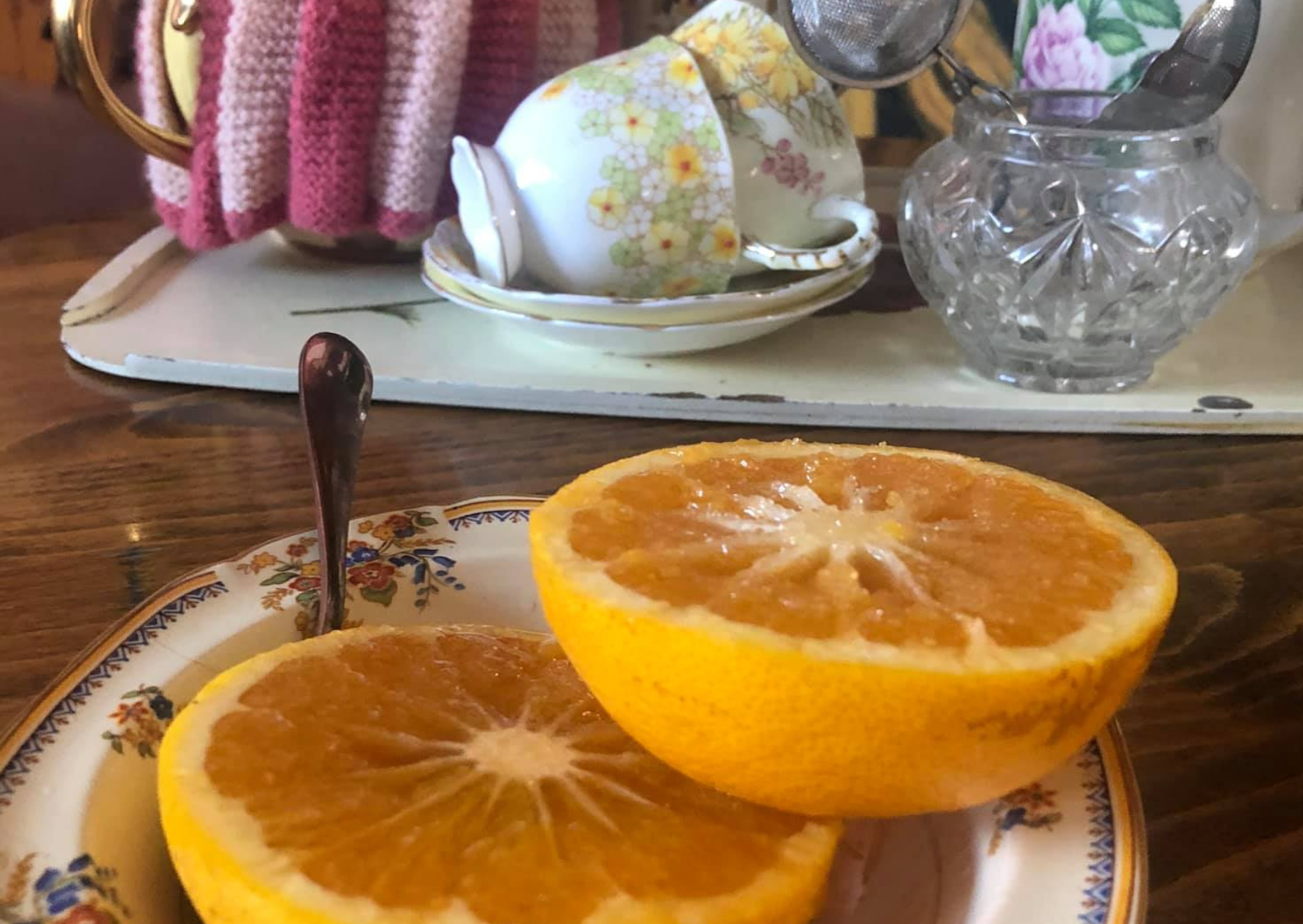
In our centre, every child's birthday is honoured with a specially prepared tray: antique linen, a china teacup and saucer, a crystal heart bowl with a tea light, and a crystal vase with carefully picked flowers. As one of our educators once reflected, "The joy we have preparing and creating the birthday tray is a gift for us too."

That is the magic of a true ritual. It nourishes not only the child — but every person who tends it.
Moments You Can Feel

A ritual is the act of giving full attention to the ordinary and making it extraordinary.

It comes from the heart. And when done with full presence, it feeds everyone in the room: body, mind, and soul. It creates a deep sense of connectedness that knits communities together in ways that no curriculum document ever could.

So here is the question I want to leave you with:

What are you doing to transform a routine into a ritual?

Where in your day, and in the life of the children you care for, can you bring more of the 'known'?

More beauty, more presence, more sacred ordinary moments?

Because when we put energy into the place, the space, and the pace — we give children the emotional security from which everything else grows. Including the most gloriously rich, imaginative, wholehearted play you have ever witnessed.

Download this blog as a printable PDF

written by

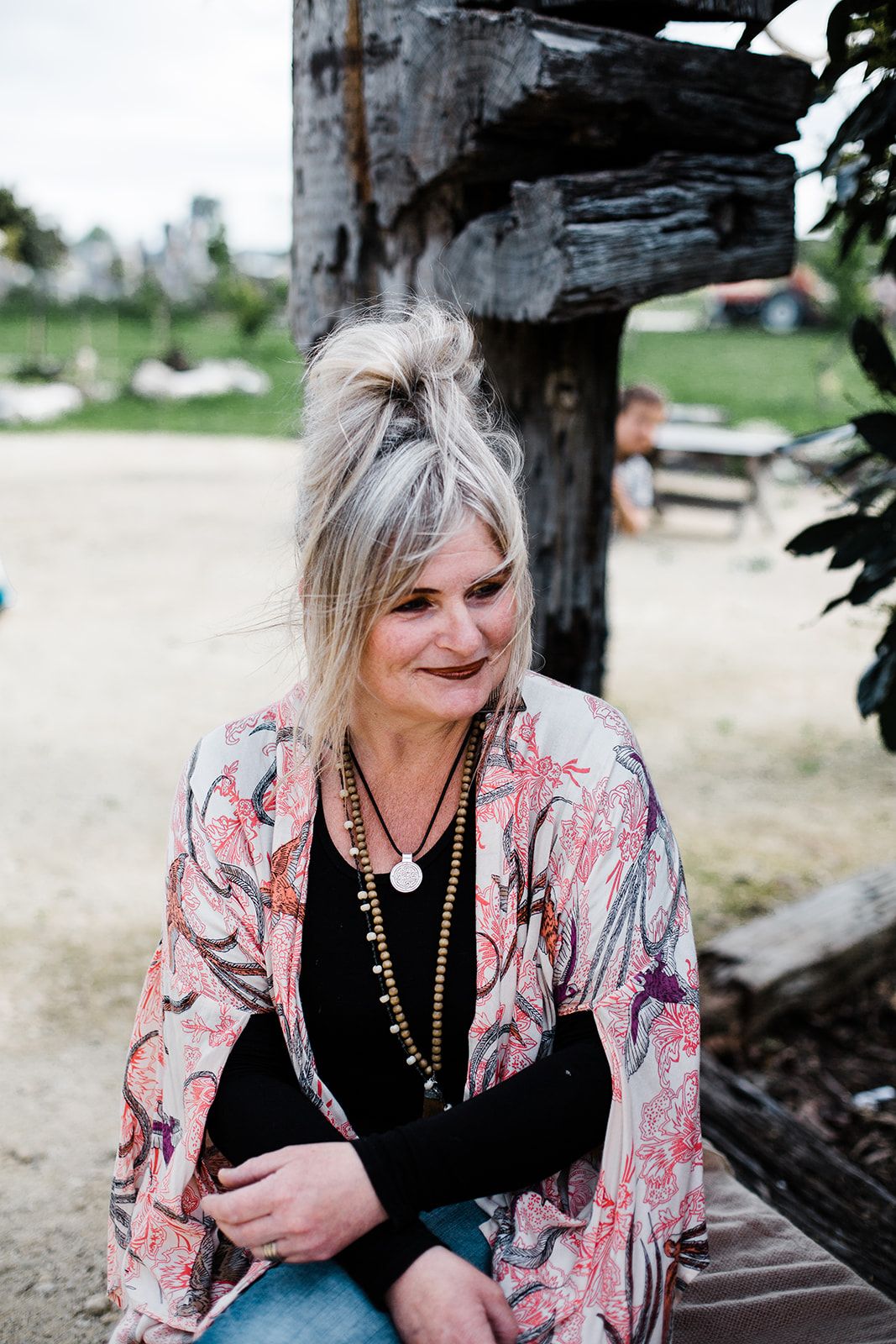
Kimberley Crisp

Kimberley is a flower picking … candle burning … potion creating … animal loving bohemian at heart She and her partner and their 2 rescue fur babies Lincoln and Basil live a life by design creating adventures between their house bus Billie and their Tiny Home ‘ Tiny on Te Awa’ .

Her early childhood years was where she developed a wild love affair with nature. A passionate Nana who took her on beach picnics and where outside in the garden is where they literally lived their days together. Flowers and animals partnered with special Rituals create the ‘ anniversaries of the heart ‘ she so fondly shares today.

“May the beauty of what you love be what you do “ Rumi
A mantra Kimberley uses to guide all her work .
Kimberley has a Bachelors in Education ( ECE) and cofounder and creator of The Nest Private Kindergaten.
It was the the ‘ birth ‘ of this model that fast became the ‘ teaching ground ‘for not only her but hundreds of other professionals that would visit and see feel and hear a different’ way of being ‘ .
Kimberley’s creativity didn’t stop at The Nest she always wanted to establish a model outside the system with NO strings so ‘The Haven’ was birthed into being and this was a Home Schooling hub where children between 5-13 years of age cross pollinate OUTSIDE.

This was by far the most SIMPLE….
It was outside the system : OUTSIDE.
Kimberley has been to The Pikler Institute in Hungary multiple times to study and visited The Forest Kindergarten in Germany.
After 30 years of working with and alongside children and delivering Professional Development every weekend and in evenings Kimberley is now devoted to supporting individual teachers and teams sharing ALL her tried and true experience and supporting people to shine and be the authentic souls they are born to be. Kimberley believes the best teacher is the one that sees the light in those they are teaching.

Learn more with ECELU

Webinars, courses and resources covering all areas of the ECE sector. Ready for you to start anytime from any device.